Midtown East offers relocating professionals a rare combination: walk-to-work convenience, a rapidly evolving 24/7 residential lifestyle, and a diverse housing stock ranging from pre-war co-ops to newly converted condo towers. Manhattan's median sale price hit $1.25 million in mid-2026, so understanding the market before you move is essential.

Is Midtown East a good place to relocate if you want to live close to work in Manhattan?
Midtown East is one of the few Manhattan neighborhoods where you can genuinely walk to a Midtown office, grab lunch at a proper restaurant, and be back in your apartment within the hour. Since the 2017 East Midtown Rezoning, the area has added thousands of residential units and shed its old reputation as a purely 9-to-5 office district. For relocating professionals, it delivers commute convenience and a real neighborhood feel in the same ZIP code.
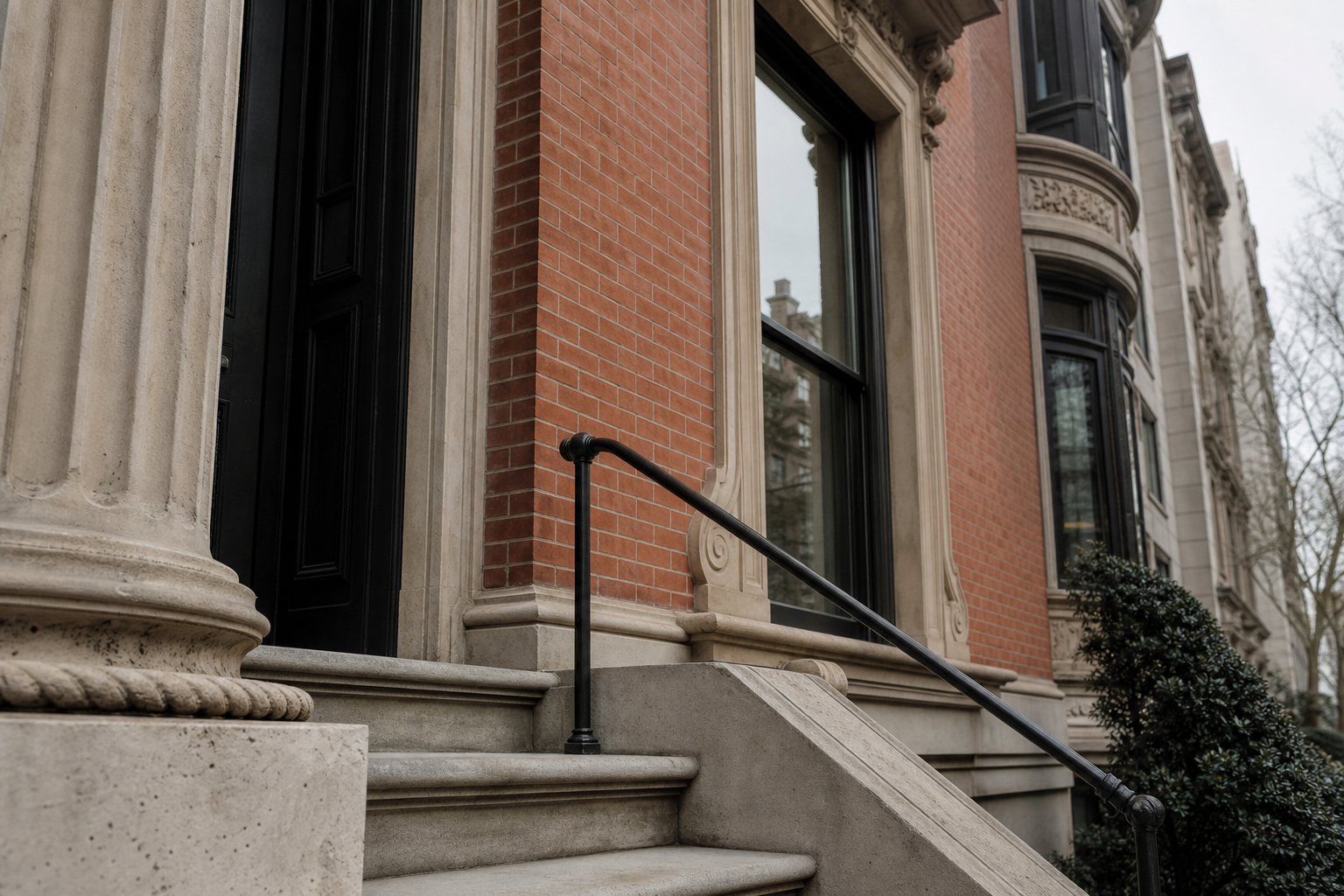
What Makes Midtown East Different From the Rest of Manhattan
Most people relocating to Manhattan think in terms of neighborhoods they've seen in movies or heard about from friends: the Upper West Side, Tribeca, the Village. Midtown East rarely tops that list, and that's exactly why it surprises people once they actually live here.
The core of the neighborhood runs roughly from East River to 5th Avenue, between East 42nd and East 59th Streets. That puts you steps from Grand Central Terminal, Park Avenue's corporate corridor, and the United Nations complex to the east. What it used to lack, actual residents, evening foot traffic, a reason to be outside after 6 p.m., has changed significantly since the city adopted the East Midtown Rezoning in 2017.
According to a November 2025 feature in The Real Deal, more than 4,000 residential units have been created from office-to-residential conversions in Midtown East since 2020, with an additional 3,500-plus units added or in the pipeline within the rezoning area since 2017. That's not a minor adjustment, it's a structural shift in who lives here and what the streets feel like at 8 p.m. on a Tuesday.
Local business leadership now explicitly frames Midtown East as a live-work-play corridor, and the ground-floor retail, cafes, and restaurants that have followed the residential conversions back that up. Upscale dining and hotel lounges anchor the Park and Madison Avenue side; everyday grocers and pharmacies line Second and Third Avenues. It's a compact, functional neighborhood in a way that a lot of Manhattan isn't.
For example if you live in Plaza 400 at 400 East 56th Street, you are very close to Trader Joes Bridgemarket at 59th Street, Whole Foods 57th, Morton Willams on 2nd avenue between 56th and 57th, the E,M,6 trains and a plethora of buses. So whether you want to go to West Village, the East Village, JFK, a Mets game or a Yankees game, Midtown east has that convenience you are looking for.
The commute picture
If your office is anywhere in Midtown, there's a real chance you won't need the subway at all. That walk-to-work reality is the single most common reason I hear from clients who specifically request Midtown East over other neighborhoods I cover.
When you do need transit, the options are exceptional. The MTA runs the 4, 5, 6, 7, and Shuttle lines through Grand Central–42 St, with E and M trains accessible via a short walk west. Grand Central also connects directly to Metro-North Railroad, making it one of the best commuter rail hubs in the city for anyone with family or colleagues in Westchester, Connecticut, or the Hudson Valley. Downtown Manhattan, Brooklyn, Queens, and the Bronx are all straightforward from here.
For relocators coming from cities where a 45-minute commute is considered short, the idea of walking 12 minutes to your desk takes some adjustment. It's a good adjustment.
The Market Reality: What Buyers and Renters Face in 2026
I'll be direct: Midtown East is not a budget neighborhood, and the broader Manhattan market in 2026 reflects that. Here's what the latest available data shows.
A July 2, 2026 Manhattan sales report from The Real Deal noted that Manhattan apartment prices reached a record median of $1.25 million, driven more by tight supply and a shift toward higher-end sales than by a surge in transaction volume. Redfin's Manhattan housing market data, updated through June 2026, shows the median sale price at $1.4 million over the three months ending June 2026, up 6.2% year over year, with homes averaging 91 days on market compared to 68 days a year earlier. Prices are higher; the pace of sales has slowed somewhat.
On the rental side, a May 2026 New York Post summary of April 2026 Rental Market Report put Manhattan's median monthly rent at $5,099, an all-time record at that point, with active bidding wars in the rental market. Those are borough-wide figures, and Midtown East sits at the higher end of Manhattan's pricing spectrum given its location and housing quality.
| Metric | Figure | Period | Source |
|---|---|---|---|
| Manhattan median sale price (record) | $1.25 million | Q2 2026 | The Real Deal, July 2, 2026 |
| Manhattan median sale price (3-month) | $1.4 million | April–June 2026 | Redfin, updated June 2026 |
| Manhattan YOY price change | +6.2% | April–June 2026 vs. prior year | Redfin, updated June 2026 |
| Average days on market | 91 days | April–June 2026 | Redfin, updated June 2026 |
| Manhattan median monthly rent (record) | $5,099 | April 2026 | New York Post, May 2026 |
What this means practically: if you're relocating and weighing whether to rent first or buy immediately, the summer 2026 rental market is competitive. Inventory tightened into July 2026, and rents hit record levels in spring and early summer. Buying has its own timeline pressures, but it at least locks in your housing cost rather than exposing you to annual renewal negotiations in a tight market.
Your specific situation, budget, timeline, whether you need to be in a co-op or can qualify for a condo, determines everything. That's not a deflection; it's genuinely true, and it's the first conversation I have with every relocating client.
Co-ops, condos, and what relocators need to know
Midtown East's housing stock includes pre-war co-ops (Southgate community on 52nd), post-war high-rise co-ops (Plaza 400), modern condo towers (Sutton Tower), and the newer converted office buildings. Each comes with a different buying process, and the difference matters more than most relocating buyers expect.
Condos are closer to what most people are used to from other cities: you own your unit outright, the board approval process is lighter, and there's no co-op corporation controlling who can buy. Co-ops involve purchasing shares in a corporation, and the board has real authority over who gets approved. I walk every relocating buyer through this distinction carefully, because the building-by-building variation in co-op boards is something that genuinely catches people off guard. A building on Sutton Place and one on East 57th Street can have dramatically different board expectations, financial requirements, and approval timelines.
One co-op-specific item worth understanding: the flip tax. Many Manhattan co-ops charge a transfer fee to the co-op corporation when a unit is sold. According to New York real estate attorneys, the flip tax can be structured as a flat fee, a per-share fee, or a percentage of the sale price, and its terms are set in the building's proprietary lease or bylaws. Critically, who pays it, buyer or seller, is not fixed by law. It's negotiable and determined by contract, subject to what's customary in that specific building. Your real estate attorney will review the building documents and advise you on what you're actually agreeing to. For more on what to watch for in a co-op purchase, my post on 5 things to consider when buying a Manhattan co-op covers the key issues in detail.
If you're buying in Midtown East specifically, the agent you work with needs to know these buildings, not just the listings, but the boards, the financials, and the approval patterns. That local knowledge is what separates a smooth transaction from a deal that falls apart at the board stage. I'd also point you to my post on why not all Manhattan agents actually know Midtown East, it's a real distinction that affects outcomes.
Practical Tips for Anyone Relocating to Midtown East
Start with your daily routine, not your wish list. Think about where you'll work, how often you'll cook versus eat out, whether you need outdoor space, and how important building amenities are to you. Midtown East delivers on walkability and transit access; it's less about sprawling parks and more about urban convenience at a high level.
Time your move thoughtfully. Based on the most recent Manhattan market data available as of August 2026, contract activity historically rises in spring, inventory tightens into summer, and the rental market peaks in those same months. If you have flexibility, the fall often offers slightly more inventory and less competition than peak summer. That said, the right apartment at the right price doesn't follow a calendar, when it appears, you move on it.
Get your finances in order before you start looking seriously. Whether you're renting or buying, Manhattan landlords and co-op boards both require detailed financial documentation. Co-op boards in particular review income, assets, and debt carefully. Verify your numbers with your lender and have your financial documents organized before you start touring.
Understand what you're comparing. A condo at $1.5 million and a co-op at $1.2 million are not the same financial decision once you factor in monthly maintenance, board requirements, and resale flexibility. Running those comparisons correctly is part of what I do with every buyer before we make an offer.
Every relocation is different, and the only way to get a clear picture of what's available in your price range and timeline is to have a real conversation about your specific situation. That's where I come in.
Frequently Asked Questions
Is Midtown East a good neighborhood for someone relocating to Manhattan who wants to walk to work in Midtown?
Yes, and it's one of the primary reasons people specifically seek out Midtown East. The neighborhood sits between Second and Madison Avenues, roughly East 48th to East 63rd Streets, placing residents within walking distance of most major Midtown office corridors and Grand Central. For professionals whose offices are in the Grand Central or Park Avenue area, a walking commute of 5 to 15 minutes is realistic.
How expensive is it to rent an apartment in Midtown East compared to other parts of Manhattan in 2026?
Midtown East sits at the higher end of Manhattan's rental market. The most recent available data, from the April 2026 report summarized by the New York Post, put Manhattan's borough-wide median monthly rent at $5,099, a record at that time. Midtown East generally commands a premium over that borough median given its location, building quality, and demand from professionals relocating for work. Expect competition and, in some cases, bidding situations on desirable units.
What's the typical commute like from Midtown East to Downtown Manhattan or the outer boroughs?
Grand Central–42 St is one of the best-connected transit hubs in the city, serving the 4, 5, 6, 7, and Shuttle lines, with E and M trains accessible nearby. Downtown Manhattan is a direct subway ride of roughly 20 to 30 minutes depending on your destination. Brooklyn, Queens, and the Bronx are all reachable with one or no transfers. Grand Central also connects to Metro-North for suburban commutes to Westchester and Connecticut.
How has the Midtown East rezoning changed the neighborhood's vibe and housing options since 2017?
The 2017 East Midtown Rezoning has fundamentally changed the neighborhood. According to a November 2025 Real Deal feature, more than 4,000 residential units have been created from office-to-residential conversions since 2020 alone, with 3,500-plus additional units added or in the pipeline since 2017. Ground-floor restaurants, cafes, and retail have followed the new residents, shifting the area from a 9-to-5 office district to a genuine 24/7 residential neighborhood.
What's the difference between buying a condo versus a co-op in Midtown East, and how does a flip tax work?
In a condo, you own your unit outright with a lighter board approval process. In a co-op, you purchase shares in a corporation, and the board has significant authority over who can buy, including detailed financial review. Many Manhattan co-ops also charge a flip tax, a building-level transfer fee paid at sale, whose structure (flat, per-share, or percentage-based) is set in the building's proprietary lease or bylaws. Who pays it is negotiable and contract-specific, so your real estate attorney should review the building documents before you sign anything.
Are Manhattan sale prices and rents still climbing in 2026?
Yes, based on the most recent available data. A July 2, 2026 sales report cited by The Real Deal noted a record Manhattan median sale price of $1.25 million, while Redfin's data through June 2026 shows a 6.2% year-over-year price increase with a $1.4 million three-month median. Rents hit a record borough-wide median of $5,099 in April 2026 per NY Post. Prices are higher than a year ago, though homes are taking longer to sell on average, 91 days versus 68 days a year earlier.
Relocating to Manhattan is a significant decision, and Midtown East specifically rewards buyers and renters who go in with clear priorities and local guidance. If you're weighing neighborhoods, comparing co-ops to condos, or just trying to figure out what your budget actually gets you here, call me at (917) 719-1277 and let's talk through your situation. Or if you're curious about what your current home might be worth as part of a relocation plan, get a home valuation here.
Equal Housing Opportunity. Jeff Cohen is a Licensed Real Estate Salesperson in New York State, License #10401257834, regulated by REBNY and the NYS Department of State (NYS DOS). This article is provided for general informational purposes only and does not constitute legal, tax, or financial advice. Readers should confirm all figures, costs, and transaction details with their real estate attorney, tax advisor, or lender.